
Highland fashion is a cherished expression of Scottish heritage, embodying centuries of tradition, craftsmanship, and cultural pride. At the heart of this sartorial tradition lies the formal kilt, an iconic garment that defines Highland fashion with its elegance, symbolism, and timeless appeal. In this article, we delve into the essence of the formal kilt and its role in shaping Scottish identity and style. From its origins in the rugged landscapes of the Scottish Highlands to its global acclaim on fashion runways and red carpets, the formal kilt stands as a symbol of tradition, craftsmanship, and national pride. Join us as we explore the rich tapestry of Highland fashion and celebrate the enduring legacy of the formal kilt in Scottish culture and beyond.
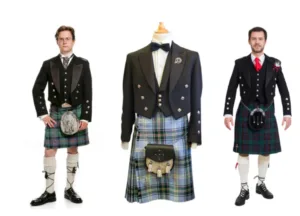
What is a Formal Kilt?
Origins and History
The origins of the formal kilt can be traced back to the Scottish Highlands, where it emerged as a practical garment suited to the rugged terrain and harsh weather conditions of the region. The earliest known version of the kilt, called the “great kilt” or “feileadh mor,” was a large piece of cloth that could be draped and fastened around the body in various ways. This versatile garment served as both clothing and bedding for Highlanders, offering protection from the elements during long days spent outdoors. Over time, the kilt evolved into the more tailored and structured form we recognize today, with pleats sewn into the back and a belt or sporran to secure it in place.
Symbolism and Cultural Significance of the Kilt
Representation of Scottish Heritage
The formal kilt holds deep symbolic significance in Scottish culture, serving as a tangible expression of national pride and identity. Its distinctive tartan patterns are synonymous with Scotland and evoke a sense of nostalgia for the country’s rich history and traditions. Each tartan is associated with a specific clan or region, reflecting the unique heritage and lineage of its wearers. Beyond its aesthetic appeal, the kilt serves as a powerful symbol of solidarity and belonging within the Scottish community, fostering connections and shared values among Scots around the world.
Connection to Clan Identity
For many Scots, wearing the kilt is more than just a fashion statement; it is a way of honoring their clan’s heritage and legacy. The choice of tartan is often deeply personal, representing familial ties and ancestral roots passed down through generations. By donning the kilt of their clan, individuals pay homage to their forebears and affirm their place within the broader Scottish diaspora. This sense of clan identity is central to the cultural fabric of Scotland, shaping traditions, rituals, and social interactions in communities both at home and abroad.
Design and Construction of a Formal Kilt
Materials Used
Traditional kilts are typically made from wool, prized for its durability, warmth, and natural water-repellent properties. The wool is woven into intricate tartan patterns, with each clan or region having its own distinct design. In addition to wool, modern kilts may incorporate alternative materials such as acrylic or polyester, offering practical advantages such as ease of maintenance and affordability. While purists may prefer the authenticity of traditional wool kilts, these contemporary variations cater to a diverse range of preferences and budgets, ensuring that the kilt remains accessible to all who wish to embrace it.
Traditional Versus Modern Styles
The design of the formal kilt has evolved over centuries, adapting to changing tastes, technologies, and lifestyles. While traditional kilts adhere to time-honored construction techniques and patterns, modern interpretations offer a blend of innovation and tradition. Contemporary kilts may feature adjustable fastenings, reinforced stitching, and additional pockets for enhanced functionality. Some designers experiment with unconventional fabrics or incorporate non-traditional elements such as leather accents or metal hardware, giving the kilt a contemporary edge while preserving its timeless appeal. Whether opting for a classic tartan or a more avant-garde design, wearers can find a kilt that suits their individual style and sensibilities.
Accessories for Highland Dress
Sporrans
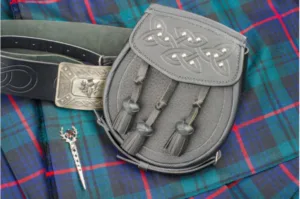
A sporran is a quintessential accessory worn with the formal kilt, serving both practical and aesthetic functions. Traditionally made from leather or fur, sporrans come in various styles ranging from simple leather pouches to ornately decorated designs adorned with tassels, chains, and metal embellishments. The sporran is worn at the front of the kilt, suspended from a chain or leather strap, and serves as a handy storage pouch for essentials such as keys, wallet, and mobile phone. Beyond its utilitarian purpose, the sporran adds an elegant finishing touch to the kilt ensemble, enhancing its visual appeal and sense of tradition.
Sgian Dubh
The sgian dubh is a small dagger that forms an integral part of Highland dress, traditionally tucked into the top of the kilt hose. Its name translates to “black knife” in Scottish Gaelic, referring to the dark handle of the dagger. While its origins are shrouded in history, the sgian dubh is believed to have served as a concealed weapon for self-defense or as a utility knife for everyday tasks such as cutting food or peeling fruit. Today, the sgian dubh is primarily a decorative accessory, featuring intricate carvings, embellishments, and precious metal accents. It is worn on the right side for ceremonial occasions, symbolizing the wearer’s allegiance and honor.
Ghillie Brogues
Ghillie brogues are traditional Scottish shoes worn with the formal kilt, renowned for their distinctive lacing system and decorative perforations. Made from leather or suede, ghillie brogues feature long laces that crisscross up the ankle and tie around the calf, providing a secure and comfortable fit. The intricate lacing pattern is not only functional but also adds an element of visual interest to the shoes, enhancing their aesthetic appeal. Ghillie brogues are designed to be sturdy and supportive, making them ideal for long hours of standing or dancing at Highland gatherings and events. Their timeless design and practicality ensure that they remain a staple accessory in the Highland wardrobe.
Occasions for Wearing a Formal Kilt
Weddings
The formal kilt is a popular choice for weddings, particularly among couples seeking to incorporate Scottish traditions into their ceremonies. Whether the groom, groomsmen, or guests, wearing a kilt adds an element of grandeur and symbolism to the occasion. The bride may also choose to wear a tartan sash or incorporate tartan accents into her bridal attire as a nod to her Scottish heritage or to honor her partner’s lineage. From intimate elopements to lavish ballroom receptions, the formal kilt is a versatile and timeless option for couples looking to infuse their wedding celebrations with Celtic flair and romance.
Formal Events
From gala dinners to prestigious awards ceremonies, the formal kilt is a distinguished choice for a variety of formal events. Its regal appearance and cultural significance make it a standout ensemble for dignified gatherings where tradition and heritage are honored and celebrated. Whether attending a corporate banquet, a diplomatic reception, or a charity fundraiser, wearing a kilt commands attention and respect, reflecting the wearer’s pride in their Scottish roots and identity. Paired with an immaculately tailored jacket, crisp white shirt, and polished accessories, the formal kilt exudes sophistication and elegance, making it the attire of choice for discerning gentlemen who appreciate timeless style and craftsmanship.
Highland Gatherings and Festivals
Highland gatherings and festivals provide a vibrant showcase for Scottish culture, where the formal kilt takes center stage as a symbol of national pride and unity. Participants proudly don their kilts as they gather to celebrate music, dance, and athletic competitions in a spirited atmosphere of camaraderie and festivity. From the thunderous sound of bagpipes to the electrifying spectacle of Highland games, these events offer a sensory feast for the senses, immersing attendees in the sights, sounds, and flavors of Scotland. Whether participating in traditional ceilidh dancing, sampling local delicacies, or browsing artisanal crafts, wearing a kilt enhances the
sense of belonging and connection to Scottish heritage, fostering cherished memories and lifelong friendships.
How to Wear a Formal Kilt Properly
Wearing a kilt properly requires attention to detail and adherence to tradition, ensuring a polished and authentic appearance. Follow these steps to achieve the perfect kilt ensemble:
1. Choose the Right Kilt:
Select a kilt that fits comfortably around your waist and falls to the desired length below the knee.
2. Secure the Kilt:
Fasten the kilt around your waist, ensuring that the aprons overlap evenly at the front. Use the straps and buckles to adjust the fit as needed.
3. Fold the Pleats:
Arrange the pleats at the back of the kilt so that they lie flat and evenly spaced. The pleats should face towards the back and the aprons towards the front.
4. Secure the Sporran:
Attach the sporran to the front of the kilt using the chain or leather strap, positioning it just below the waistline. Ensure that it hangs evenly and securely.
5. Put on the Jacket:
Slip into your jacket, ensuring that it complements the color and style of your kilt. Button it up or leave it open according to personal preference.
6. Add Accessories:
Complete your ensemble with a shirt, tie, socks, shoes, and any additional accessories such as a sgian dubh or kilt pin.
7. Final Touches:
Check your reflection in the mirror to ensure that everything is in place and that you feel confident and comfortable in your kilt attire. By following these steps, you can confidently wear a formal kilt with style and grace, embodying the timeless elegance and heritage of Scottish fashion.
Global Impact and Adoption of Highland Fashion
The allure of Highland fashion extends far beyond the borders of Scotland, captivating audiences worldwide with its distinctive charm and elegance. From Hollywood red carpets to international fashion runways, the formal kilt has left an indelible mark on global style, influencing trends and inspiring designers across continents. Celebrities and fashion icons alike have embraced the kilt as a symbol of sophistication and individuality, incorporating it into their wardrobes for high-profile events and photo shoots. Whether worn by royalty, athletes, or musicians, the kilt transcends cultural boundaries, uniting people from diverse backgrounds in their appreciation for its timeless appeal and cultural significance.
Contemporary Trends in Highland Dress
While the formal kilt remains a timeless classic, contemporary trends continue to shape the landscape of Highland fashion, infusing it with innovation, creativity, and flair. Designers and artisans draw inspiration from tradition while pushing the boundaries of conventional design, experimenting with new silhouettes, colors, and textiles to reinvent the kilt for the modern wearer. From tailored kilts with sleek lines and minimalist detailing to avant-garde creations adorned with bold patterns and embellishments, there is a diverse range of styles to suit every taste and occasion. Whether opting for a traditional tartan kilt or a cutting-edge design, wearers can express their individuality and personal style while honoring the rich heritage of Scottish fashion.
The Scotland Shop: Embracing Highland Heritage
The Scotland Shop stands as a beacon of Scottish heritage and craftsmanship, offering a diverse array of traditional and contemporary Highland attire and accessories. With a commitment to quality and authenticity, the Scotland Shop proudly showcases a wide selection of tartan kilts, clan-specific accessories, and bespoke garments that pay homage to Scotland’s rich cultural heritage. Whether seeking to embrace one’s Scottish roots or simply captivated by the allure of Highland fashion, customers can find a range of options tailored to their preferences at the Scotland Shop. From classic tartan patterns to modern interpretations, each piece reflects the timeless elegance and craftsmanship synonymous with Scottish style. With a blend of tradition and innovation, the Scotland Shop continues to be a trusted destination for enthusiasts of Highland fashion, providing an authentic and immersive experience that celebrates Scotland’s unique heritage and identity.
Embracing Diversity in Highland Fashion
As Highland fashion evolves to reflect the changing tastes and demographics of its global audience, it is essential to embrace diversity and inclusivity within the community. From diverse interpretations of traditional attire to innovative collaborations with artists and designers from diverse backgrounds, there are endless opportunities to celebrate the richness and complexity of Highland culture. By acknowledging and honoring the contributions of individuals from all walks of life, we can create a more inclusive and vibrant fashion landscape that resonates with people of all ages, genders, and cultural identities. Whether attending a Highland gathering or simply donning a kilt for a special occasion, each wearer brings their own unique perspective and story to the tapestry of Highland fashion, enriching it with their presence and creativity.
Sustainability and Ethical Considerations
In an era of heightened environmental awareness and ethical consciousness, the fashion industry faces increasing scrutiny over its impact on the planet and people. Highland fashion is no exception, with consumers and industry stakeholders alike calling for greater transparency and accountability in sourcing and production practices. From the sourcing of raw materials to the manufacturing processes and supply chain management, there are numerous opportunities to minimize the environmental footprint and uphold ethical standards throughout the lifecycle of a garment. By promoting responsible sourcing, fair labor practices, and sustainable innovation, the Highland fashion sector can mitigate its environmental impact and contribute to a more equitable and sustainable future for all. Whether through the adoption of eco-friendly materials, the implementation of recycling and waste reduction initiatives, or the support of ethical fashion brands, we can collectively work towards a more sustainable and ethical fashion industry that respects both people and the planet.
Conclusion
In conclusion, the formal kilt stands as a timeless symbol of Scottish identity, tradition, and pride, embodying the essence of Highland fashion with its elegance, craftsmanship, and cultural significance. From its humble origins in the Scottish Highlands to its global acclaim on fashion runways and red carpets, the kilt continues to captivate audiences worldwide with its distinctive charm and enduring appeal. Whether worn for weddings, formal events, or Highland gatherings, the kilt remains a cherished garment that unites people across borders and generations in their appreciation for Scottish heritage and culture. As we celebrate the rich tapestry of Highland fashion, let us embrace diversity, sustainability, and ethical values, ensuring that this cherished tradition endures for generations to come.
Unique FAQs
-
Are all kilts made from wool?
No, while traditional kilts are typically made from wool, modern variations may incorporate alternative materials such as acrylic or polyester for practicality and affordability. These materials offer advantages such as durability, ease of maintenance, and a wider range of color options.
-
Do you have to be Scottish to wear a kilt?
No, the kilt is worn by people of various cultural backgrounds who appreciate its aesthetic appeal, craftsmanship, and cultural significance. While the kilt holds special meaning for Scots and those of Scottish descent, it is also embraced by individuals from diverse cultures who admire its timeless elegance and heritage.
-
Can women wear kilts?
Absolutely! Women can wear kilts just as men do, either opting for traditional tartan kilts or contemporary designs tailored to their preferences. Kilts are versatile garments that can be styled in numerous ways to suit different body types and personal tastes, making them a popular choice for people of all genders.
-
What is the significance of tartan patterns?
Tartan patterns are symbolic of clan identity and heritage in Scottish culture, with each pattern representing a specific clan or region’s unique history and lineage. The colors and motifs used in tartan designs hold special meaning for Scots, evoking a sense of belonging and pride in their ancestral roots.
-
Are kilts still worn for everyday attire in Scotland?
While kilts are primarily worn for formal occasions and special events in modern Scotland, there has been a resurgence of interest in wearing kilts for everyday attire, particularly among younger generations embracing their heritage. Whether attending a Highland gathering or simply going about their daily lives, Scots may choose to wear a kilt as a symbol of pride and identity, connecting them to their cultural heritage and traditions.
