
Have you ever lounged in a hammock on a sunny afternoon yet still felt like something was missing? Perhaps your back was stiff, or a pillow was lacking. These small discomforts can disrupt quality relaxation time. Many people experience the struggle to find perfect hammock comfort. While hammocks seem simple, truly relaxing takes practice. It requires the right gear, techniques, and custom setups. There is an “art of hammocking” to master.
This guide shares tips and tricks on fine-tuning your portable sanctuary. Follow these steps to achieve pure hammock harmony.
-
Choose the Right Hammock
The first thing to do to hammock Bliss is to select the right equipment. There are numerous hammocks, and each one of them presents different needs as well as body types. In looking for one, you need to consider several aspects.
- Material: Hammocks are made from a variety of materials. Some are very durable and lightweight and are good in the weather. Others are soft but heavy when it comes to getting wet. Consider the climate and conditions in which you want to hang them.
- Size: Hammock lengths vary to accommodate individuals. Wider ranges fit larger or taller folks comfortably. Check specifications to evaluate sizing.
- Features: Helpful attachments are built-in bug nets and hanging systems for easy setup. Some units include additional rain shelters or insulation layers. Think about what type of planned activities you will be doing to find out what valued extras you need.
- Cost: A portable model meant for basic use will come relatively cheaply. More specialized or larger models will cost a little extra. After all, quality and safety should not be allowed at equal cost. The right comfort, such as a hardy and long-lasting heavy-duty hammock stand, justifies the right investment.
-
Find the Perfect Location to Hang Your Hammock
After you’ve chosen the perfect hammock, the next big key is finding the ideal spot to hang it. Here are a couple of tips:
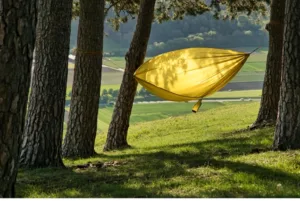
- Think shelter: string your hammock at an angle so that it is partially under the trees and give you a slight shade or throw in a portable rain fly for coverage all around. Be sure that the drainage is enough for water run-off.
- Prioritize privacy – Scout out a more secluded spot away from high-traffic areas if you want quiet relaxation time.
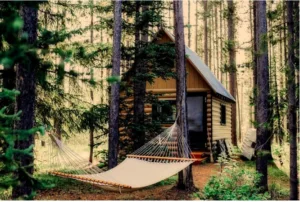
- Inspect trees or other places to which you plan to hang. Choose big, healthy trees over 12 inches in diameter to avoid damage. Look out for the ones that have weak branches to snap.

-
Use Proper Hanging Techniques
Now that you have the right hammock and spot picked out, it’s important to hang your hammock securely and level using proper techniques. Here are some tips:
- Measure hang points — allow a 10–15-foot space between trees or structures, depending on hammock size, for best sag and lay.
- Use straps or ridgeline systems—most available hammocks incorporate built-in straps or even ridgelines for easy attachment between two trees or poles.
- Attach carabiners – Clip the hanging straps or ridgeline on each side to the carabiners for a quick-release system. Inspect the carabiners periodically as well.
- Level the hang – Adjust the heights on each side until the hammock lays relatively level side to side when hung with no major dips or pockets.
- Tie knots properly – If attaching ropes directly to trees, use sturdy knots like a figure 8 or bowline that won’t slip.
-
Lie Diagonally in the Hammock
Now you’ve perfectly hung your hammock – but did you know most people don’t fully enjoy the hammock experience because they don’t know the proper lying technique? Lying diagonal is key to full body support. Here’s a quick lesson:
- Get into one “corner” – Climb into one end of the hammock, sitting diagonally with your legs stretched out longways in the hammock.
- Keep it tight – Lie back so the hammock forms around your relaxed body in a slight C-shape. You should feel gentle and snug.
- Stay centered – Try to maintain your position in the center of the hammock and avoid falling to one side. Practice makes perfect.

-
Enhance Comfort with Accessories
Sometimes, a basic hammock does not offer that optimal coziness for long, relaxing sessions. Here are some accessories to up your hammock game for maximum comfort:
- Insulation layer-If colder weather is expected, a top quilt or sleeping bag can be added inside the under quilt to trap body heat further.
- Pillow – A dedicated neck or lumbar pillow allows you to fully relax without falling asleep.
- Blankets – A soft blanket adds comfort and can be used to block wind or rays if needed.
- Rainfly – An essential for any outdoor hammock to shelter from elements like sun, rain, or bugs.
- Suspension systems – Configure adjustable ropes or straps for personalized hanging fine-tuning.
-
Practice and Adjust for the Best Setup
While some may be hammock pros right away, for many, it takes practice to truly perfect the art of relaxing in a hanging nest. Here’s how to get continuously better:
- Test different hanging heights – Adjust ropes to varying lengths between trees and notice how they change your lay.
- Experiment with different spots – You may prefer sunnier or shadier hangs depending on the day.
- Adopt different positions – Try reclining fully, sitting up to read, or working remotely.
- Be patient – It takes time to master new skills, so keep practicing and adjusting until your hammock groove is fully on point.
Final Thoughts
Now, do you feel ready to perfect your hammocking skills and find true relaxation? Do you now have the information to turn any modest hammock into a personal oasis that you can carry with you wherever you go? With recommendations on the best gear, hanging setup, body position, and accessories, you can become the master of your hammock domain.


