
Pakistani fashion is a vivid tapestry that interweaves the rich cultural heritage of the region with contemporary trends. From traditional attire that dates back centuries to modern interpretations that captivate global audiences, Pakistani asian clothes are a dynamic reflection of modernity. This article explores how Pakistani Asian clothes encapsulate cultural heritage while embracing contemporary trends through ten insightful subheadings.
Historical Roots of Pakistani Fashion
The history of Pakistani fashion is deeply intertwined with the region’s cultural and historical context.
Traditional clothing such as the shalwar kameez and sari have been worn for centuries, originating from the ancient civilizations of the Indus Valley.
These garments not only served practical purposes but also conveyed social and cultural identities.
The rich history of textile production, including the use of natural dyes and intricate hand-embroidery, has left an indelible mark on the fashion landscape of Pakistan.
- Ancient Civilizations: The roots of Pakistani fashion trace back to the Indus Valley Civilization, one of the world’s earliest urban cultures, where evidence of textile production and sophisticated clothing styles has been found.
- Cultural Identity: Traditional attire such as the shalwar kameez and sari are more than just clothing; they are symbols of cultural identity, reflecting social status, regional affiliation, and community belonging.
- Practical Purposes: Historically, traditional garments were designed for practicality, suited to the climatic conditions and daily activities of the people. The loose-fitting shalwar kameez, for instance, offers comfort and ease of movement.
Regional Diversity in Traditional Attire
Pakistan’s diverse geography and ethnic makeup result in a wide variety of traditional clothing styles.
Each province has its unique attire that reflects its cultural heritage. For instance, the Sindhi ajrak, a block-printed shawl, and the vibrant Balochi dresses, known for their elaborate embroidery, showcase regional identities.
In Punjab, the phulkari embroidery is a signature style, while Khyber Pakhtunkhwa is known for its simplistic yet elegant attire. This regional diversity is a testament to the rich cultural mosaic of Pakistan.
Symbolism of Colors and Patterns
Colors and patterns play a significant role in Pakistani clothing, often carrying deep symbolic meanings.
Red is commonly associated with weddings and symbolizes joy and prosperity, while white is worn during mourning or religious ceremonies, representing purity and peace.
Traditional patterns, such as paisleys and geometric designs, often have historical significance and are used to convey cultural narratives.
The use of vibrant colors and intricate patterns in Pakistani clothing not only enhances their aesthetic appeal but also serves as a medium of cultural expression.
Evolution of the Shalwar Kameez
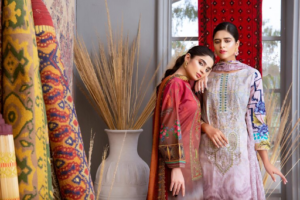
The shalwar kameez, the national dress of Pakistan, has undergone significant evolution over the years. Originally a simple, practical outfit, it has been transformed through various design innovations to cater to contemporary tastes.
Modern shalwar kameez designs incorporate elements such as asymmetrical cuts, varied lengths, and experimental fabrics, reflecting a blend of tradition and modernity.
Designers continuously reinvent this classic attire, ensuring its relevance in the modern fashion landscape.
Influence of Mughal Aesthetics
The Mughal era has had a profound impact on Pakistani fashion, particularly in terms of opulence and craftsmanship.
The use of luxurious fabrics like silk and velvet, along with intricate embellishments such as zardozi (metal embroidery) and gota (metallic ribbon), are reminiscent of Mughal royal attire.
Bridal wear, in particular, draws heavily from Mughal aesthetics, with elaborate lehengas and heavily embroidered dupattas being popular choices.
This influence is a testament to the enduring legacy of the Mughal Empire in South Asian culture.
Contemporary Designers and Global Influence
Pakistani fashion has seen a surge in global recognition, thanks in part to contemporary designers who blend traditional elements with modern aesthetics.
Designers like Hassan Sheheryar Yasin (HSY), Maria B, and Sana Safinaz have gained international acclaim for their innovative designs that respect cultural heritage while appealing to global audiences.
These designers often participate in international fashion shows, showcasing the versatility and beauty of Pakistani fashion on the global stage.
Fusion Wear
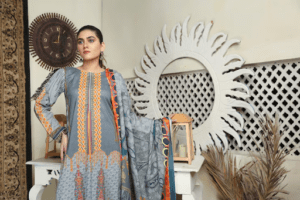
Fusion wear represents the seamless blend of Eastern and Western fashion sensibilities. Pakistani designers are increasingly creating outfits that incorporate Western silhouettes with traditional fabrics and embroidery techniques.
This trend caters to a global audience seeking unique and culturally rich attire that is both stylish and comfortable.
Fusion wear exemplifies the adaptability of Pakistani fashion, demonstrating its ability to evolve and stay relevant in a rapidly changing world.
Sustainable Fashion and Ethical Practices
As global awareness about sustainability and ethical practices grows, the Pakistani fashion industry is also shifting towards more sustainable practices.
Designers are increasingly using organic fabrics, natural dyes, and traditional handcrafting techniques to create eco-friendly fashion.
Initiatives promoting fair trade and ethical labor practices are gaining traction, reflecting a commitment to social responsibility.
Sustainable fashion not only preserves traditional craftsmanship but also aligns with global efforts to promote environmental conservation.
Conclusion
Pakistani fashion is a vibrant reflection of the country’s rich cultural heritage and its ability to adapt to contemporary trends.
From traditional attire deeply rooted in history to modern designs that captivate global audiences,
Pakistani clothing embodies a unique blend of past and present. The diverse regional styles, symbolic use of colors and patterns, and the influence of Mughal aesthetics contribute to a rich fashion tapestry.
Contemporary designers, fusion wear, fashion weeks, and the impact of technology and social media further drive the evolution of Pakistani fashion.

